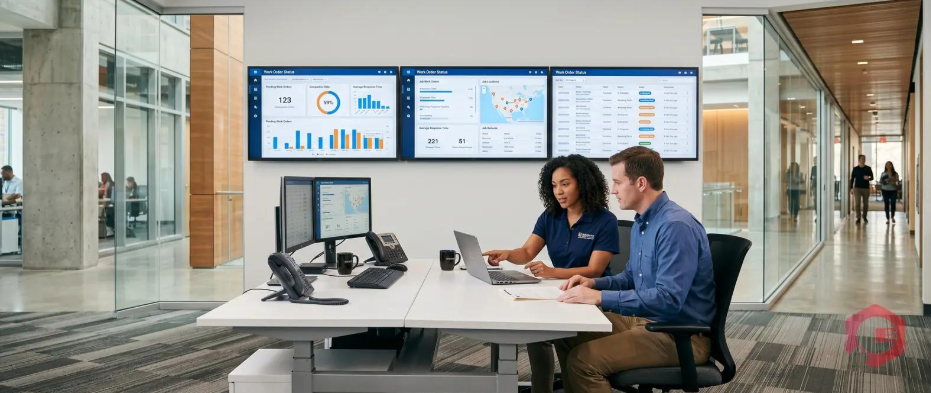

Organizations today operate in increasingly complex environments where efficiency depends heavily on visibility, coordination, and reliable infrastructure. Businesses are expected to manage multiple facilities, equipment inventories, maintenance schedules, and operational processes while still controlling costs and maintaining productivity. As technology continues evolving, many organizations are shifting toward connected operational systems that improve communication, reporting, and long-term planning across departments.
Modern facilities management is no longer limited to handling repairs or scheduling inspections. Organizations now depend on integrated systems that support real-time reporting, predictive maintenance, automation, and centralized oversight. This shift is becoming increasingly visible across industries that manage large volumes of physical resources, including healthcare, logistics, hospitality, and education. In educational environments specifically, school asset management has become an important example of how organizations are using digital tools to improve accountability, monitor equipment conditions, coordinate maintenance activities, and streamline resource management across multiple facilities. These systems also help administrators reduce operational inefficiencies while maintaining better visibility over infrastructure, technology assets, and long-term maintenance planning.
Many operational teams still rely on disconnected spreadsheets, email chains, paper forms, and manual reporting methods. While these systems may function temporarily, they often create delays, duplicate tasks, inconsistent documentation, and limited visibility as organizations grow. The lack of centralized oversight can lead to missed maintenance schedules, unnecessary spending, and operational bottlenecks that affect overall performance.
The Rise of Connected Operations
Connected operational systems are transforming how organizations manage daily activities. Cloud based platforms, mobile reporting applications, automated alerts, and centralized dashboards provide operational teams with immediate access to critical information. Instead of waiting for reports to move between departments manually, decision makers can review real time updates and respond to issues more efficiently.
Mobile accessibility has significantly improved coordination among operational teams. Technicians and facilities staff can receive assignments, upload completed work records, communicate with supervisors, and document maintenance tasks directly from mobile devices. This reduces communication delays while improving workflow transparency across departments.
Real time operational visibility also helps organizations identify recurring issues earlier. Patterns involving equipment failures, maintenance requests, or infrastructure problems become easier to track when operational data is centralized. Instead of reacting to emergencies repeatedly, organizations can implement preventive strategies that reduce downtime and improve long term reliability.
Why Preventive Strategies Matter
Preventive maintenance has become one of the most valuable benefits of connected operational management. Traditional reactive maintenance models often force organizations to address problems only after equipment fails or operational disruptions occur. This approach usually increases repair costs while creating avoidable downtime that affects productivity.
Organizations using connected systems can schedule inspections, monitor recurring maintenance trends, and receive automated reminders before issues escalate into larger operational problems. Preventive planning improves operational stability because teams can resolve smaller issues before they affect broader business activities.
Preventive approaches also extend the lifespan of physical assets. Equipment that receives consistent maintenance generally performs more efficiently and requires fewer emergency repairs. Over time, these improvements support stronger financial planning because organizations can predict operational costs more accurately instead of reacting to unexpected failures.
Automation and Smarter Decision Making
Automation continues playing a growing role in facilities and operational management. Businesses are increasingly adopting automated workflows that simplify task assignments, vendor scheduling, maintenance approvals, and reporting procedures. Automation reduces administrative workload while helping organizations maintain consistency across daily operational processes.
Automated notifications improve response times by immediately alerting relevant teams when operational issues occur. Instead of relying on delayed communication methods, organizations can coordinate maintenance activities more quickly and minimize disruptions. This becomes especially valuable for businesses managing multiple facilities or geographically distributed operations.
Data analytics also provides major advantages for organizations using connected operational systems. Historical maintenance records, operational trends, and performance data allow leadership teams to make more informed decisions regarding budgeting, resource allocation, and infrastructure planning. Access to reliable operational insights supports continuous improvement while helping organizations adapt to changing demands more effectively.
Organizations that fail to modernize operational oversight often struggle with delayed reporting, fragmented communication, inconsistent maintenance histories, and rising administrative inefficiencies. These challenges may appear manageable during early growth stages, but they frequently become far more disruptive as facilities expand, teams become distributed, and operational responsibilities increase across departments, vendors, and service locations over time significantly.
Another important advantage of centralized operational systems involves vendor coordination. Many organizations work with multiple contractors, maintenance providers, equipment suppliers, and external service teams simultaneously. Managing invoices, warranties, service schedules, and communication manually can quickly become overwhelming as operations expand. Connected platforms help operational teams maintain organized records while improving accountability across external partners and service providers.
Strengthening Long Term Operational Stability
Organizations increasingly recognize that operational efficiency directly influences financial performance, productivity, and long term growth. Poor visibility over maintenance activities, infrastructure conditions, and operational workflows often leads to unnecessary expenses that quietly accumulate over time. Connected operational systems help reduce waste while improving transparency and coordination throughout the organization.
As operational environments become more complex, scalable infrastructure management is becoming essential rather than optional. Businesses must establish processes that support clear communication, accurate reporting, and proactive maintenance planning. Asset management continues influencing broader conversations around operational visibility because organizations across multiple industries now face similar challenges involving resource tracking, maintenance coordination, and infrastructure oversight.
Technology alone, however, does not guarantee operational success. Organizations must also build consistent workflows, encourage accountability across teams, and ensure employees understand the value of accurate reporting and preventive planning. Combining connected technology with structured operational practices creates stronger long term resilience and improves organizational efficiency across departments.
Businesses that invest in connected operational systems today are positioning themselves for greater flexibility and sustainability in the future. Centralized visibility, preventive maintenance strategies, automation, and real time coordination help organizations reduce inefficiencies while improving overall performance. As digital transformation continues shaping operational management, connected infrastructure will remain an essential foundation for organizations seeking stronger productivity, reduced operational costs, and more reliable long term growth.
 Ask Patricia Campbelloros how they got into latest technology trends and you'll probably get a longer answer than you expected. The short version: Patricia started doing it, got genuinely hooked, and at some point realized they had accumulated enough hard-won knowledge that it would be a waste not to share it. So they started writing.
What makes Patricia worth reading is that they skips the obvious stuff. Nobody needs another surface-level take on Latest Technology Trends, Gadget Reviews and Comparisons, Expert Analysis. What readers actually want is the nuance — the part that only becomes clear after you've made a few mistakes and figured out why. That's the territory Patricia operates in. The writing is direct, occasionally blunt, and always built around what's actually true rather than what sounds good in an article. They has little patience for filler, which means they's pieces tend to be denser with real information than the average post on the same subject.
Patricia doesn't write to impress anyone. They writes because they has things to say that they genuinely thinks people should hear. That motivation — basic as it sounds — produces something noticeably different from content written for clicks or word count. Readers pick up on it. The comments on Patricia's work tend to reflect that.
Ask Patricia Campbelloros how they got into latest technology trends and you'll probably get a longer answer than you expected. The short version: Patricia started doing it, got genuinely hooked, and at some point realized they had accumulated enough hard-won knowledge that it would be a waste not to share it. So they started writing.
What makes Patricia worth reading is that they skips the obvious stuff. Nobody needs another surface-level take on Latest Technology Trends, Gadget Reviews and Comparisons, Expert Analysis. What readers actually want is the nuance — the part that only becomes clear after you've made a few mistakes and figured out why. That's the territory Patricia operates in. The writing is direct, occasionally blunt, and always built around what's actually true rather than what sounds good in an article. They has little patience for filler, which means they's pieces tend to be denser with real information than the average post on the same subject.
Patricia doesn't write to impress anyone. They writes because they has things to say that they genuinely thinks people should hear. That motivation — basic as it sounds — produces something noticeably different from content written for clicks or word count. Readers pick up on it. The comments on Patricia's work tend to reflect that.