
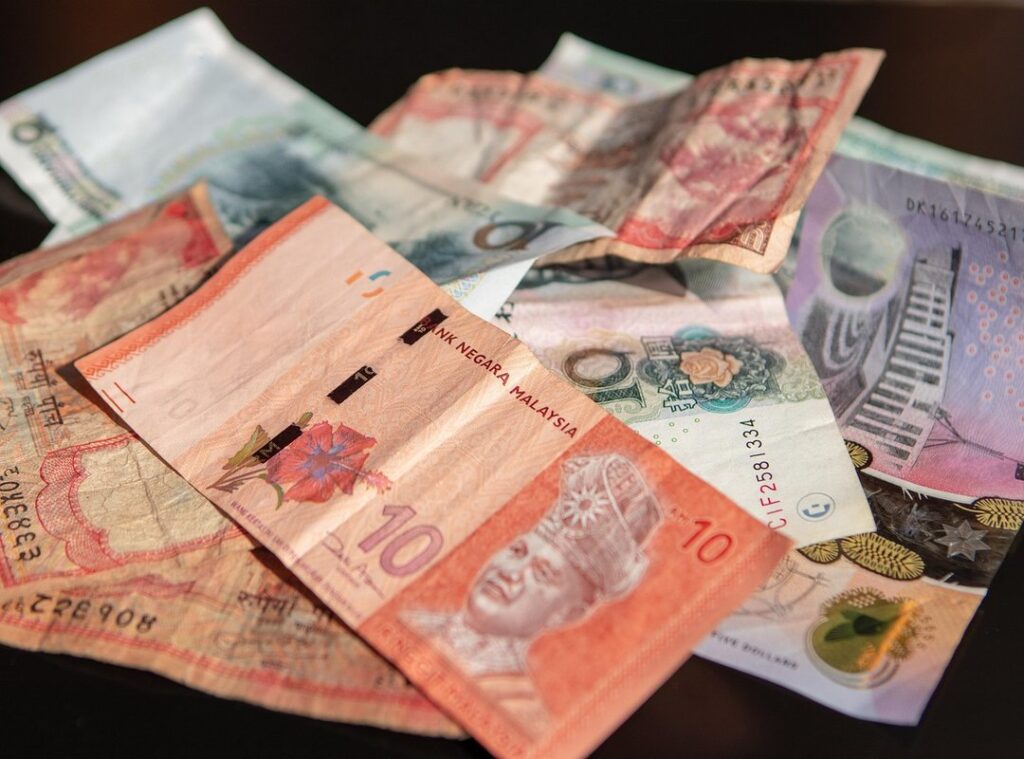
As of [Current Date], 1 Malaysian Ringgit equals approximately X Indonesian Rupiah. This is the mid-market rate, and what you get from a bank or money changer will be a bit different because of their fees.
You’re probably wondering how to make sense of all this. Well, in this article, I’ll show you not just the rate, but how to calculate conversions for any amount.
I’ll also tell you where to find the best rates and what factors cause the rate to change. satu ringgit berapa rupiah—that’s the question on your mind, right?
This info is super useful if you’re traveling, doing business, or sending money between Malaysia and Indonesia. Trust me, it can save you a lot of hassle and maybe even some cash.
A Simple Step-by-Step Guide to Calculate Conversions
Have you ever found yourself in a situation where you need to convert Ringgit to Rupiah quickly? It’s easier than you might think. The basic formula is: Amount in Rupiah = (Amount in Ringgit) x (Current Exchange Rate).
For example, if the current rate is 3,000 Rupiah per Ringgit, then 100 MYR would be 300,000 IDR.
Converting Rupiah back to Ringgit is just as simple. You use division: Amount in Ringgit = (Amount in Rupiah) / (Current Exchange Rate). So, if you have 1,000,000 IDR and the rate is 3,000, you’d get about 333.33 MYR.
Here’s a quick reference chart for some common amounts:
| Ringgit (MYR) | Rupiah (IDR) |
|---|---|
| 5 | 15,000 |
| 20 | 60,000 |
| 50 | 150,000 |
| 100 | 300,000 |
When dealing with Rupiah, it’s important to understand that large numbers are the norm. Everyday items can cost tens or even hundreds of thousands of Rupiah. This can be confusing at first, but you’ll get used to it.
Knowing how to do a quick mental estimate is super useful when traveling. Still, for the most accurate rates, I recommend using a reliable online currency converter. But let’s face it, sometimes you just need a quick answer.
That’s where knowing satu ringgit berapa rupiah comes in handy.
What Makes the Ringgit to Rupiah Rate Fluctuate?
Currency values, like the Ringgit to Rupiah rate, are not set in stone. They change daily based on a bunch of factors.
Economic performance is a big one. If Malaysia has stronger GDP growth and lower unemployment, its currency tends to be more stable and valuable compared to Indonesia’s.
Central bank policies also play a role. When Bank Negara Malaysia or Bank Indonesia raises interest rates, it can attract more foreign investment. This increases demand for the country’s currency, making it more valuable.
Trade balance is another key factor. If Malaysia exports more to Indonesia than it imports, there’s a higher demand for Ringgit to pay for those goods. This can strengthen the MYR.
Commodity prices matter too. Both countries are major exporters of commodities like palm oil. Changes in global prices for these goods can significantly impact their respective currency values.
So, when you hear satu ringgit berapa rupiah, remember that it’s all about how these economic factors stack up.
Where to Get the Best Exchange Rates: A Practical Comparison

When it comes to exchanging money, you’ve got a few options. Let’s break them down.
Banks, and they’re safe, but often more expensive. Banks typically offer less competitive rates and can have higher fees. satu ringgit berapa rupiah
It’s like paying for peace of mind, but at what cost?
Licensed Money Changers. These are usually the best choice for physical cash, especially in busy urban areas. Look for official licenses and compare rates between several changers.
You’ll often find better deals here.
Digital Services & Fintech Apps, and think Wise or Revolut. These are great for sending money between countries.
They offer rates very close to the mid-market rate with transparent, low fees. Perfect for those who need to transfer funds quickly and efficiently.
- Banks: Safe but expensive.
- Licensed Money Changers: Best for physical cash.
- Digital Services: Great for international transfers.
Now, let’s talk about airports, and airport kiosks offer the worst rates. Why?
Convenience and a captive audience. Use them only for small amounts in an emergency.
For travelers needing cash, licensed money changers are usually the best bet. For transferring funds between bank accounts, digital services are superior.
Oh, and if you’re wondering, satu ringgit berapa rupiah—that’s a question you might ask when traveling to Indonesia. Just remember, always check the current exchange rate before making any transactions.
Avoiding Common Mistakes for a Smooth Currency Exchange
Not knowing the mid-market rate is a big mistake. Before you exchange, do a quick online search to find the current rate. This gives you a benchmark for what a ‘good’ rate looks like.
Ignoring the ‘spread’ is another common pitfall. The spread is the difference between the ‘buy’ and ‘sell’ price. It’s how the money changer makes their profit.
A smaller spread means a better deal for you.
Falling for ‘no commission’ claims can be costly. Always ask, “How much Rupiah will I get for my 100 Ringgit?” This way, you see the final amount and can spot any hidden fees.
Using Dynamic Currency Conversion (DCC) can also lead to higher costs. When using your credit card, always choose to pay in the local currency (IDR). Your home bank will offer a much better exchange rate.
Plan ahead and exchange a small amount of money before your trip for immediate needs. Then, once you arrive, find a reputable money changer for larger amounts.
This approach helps you avoid the worst of the satu ringgit berapa rupiah confusion and ensures you get the best value for your money.
Your Next Steps
When converting currency, it’s important to check the current exchange rate. satu ringgit berapa rupiah can vary based on daily fluctuations. Always use a reliable source for the most accurate conversion.
 Ask Patricia Campbelloros how they got into latest technology trends and you'll probably get a longer answer than you expected. The short version: Patricia started doing it, got genuinely hooked, and at some point realized they had accumulated enough hard-won knowledge that it would be a waste not to share it. So they started writing.
What makes Patricia worth reading is that they skips the obvious stuff. Nobody needs another surface-level take on Latest Technology Trends, Gadget Reviews and Comparisons, Expert Analysis. What readers actually want is the nuance — the part that only becomes clear after you've made a few mistakes and figured out why. That's the territory Patricia operates in. The writing is direct, occasionally blunt, and always built around what's actually true rather than what sounds good in an article. They has little patience for filler, which means they's pieces tend to be denser with real information than the average post on the same subject.
Patricia doesn't write to impress anyone. They writes because they has things to say that they genuinely thinks people should hear. That motivation — basic as it sounds — produces something noticeably different from content written for clicks or word count. Readers pick up on it. The comments on Patricia's work tend to reflect that.
Ask Patricia Campbelloros how they got into latest technology trends and you'll probably get a longer answer than you expected. The short version: Patricia started doing it, got genuinely hooked, and at some point realized they had accumulated enough hard-won knowledge that it would be a waste not to share it. So they started writing.
What makes Patricia worth reading is that they skips the obvious stuff. Nobody needs another surface-level take on Latest Technology Trends, Gadget Reviews and Comparisons, Expert Analysis. What readers actually want is the nuance — the part that only becomes clear after you've made a few mistakes and figured out why. That's the territory Patricia operates in. The writing is direct, occasionally blunt, and always built around what's actually true rather than what sounds good in an article. They has little patience for filler, which means they's pieces tend to be denser with real information than the average post on the same subject.
Patricia doesn't write to impress anyone. They writes because they has things to say that they genuinely thinks people should hear. That motivation — basic as it sounds — produces something noticeably different from content written for clicks or word count. Readers pick up on it. The comments on Patricia's work tend to reflect that.