Core Performance: Speed, Chips, and OS
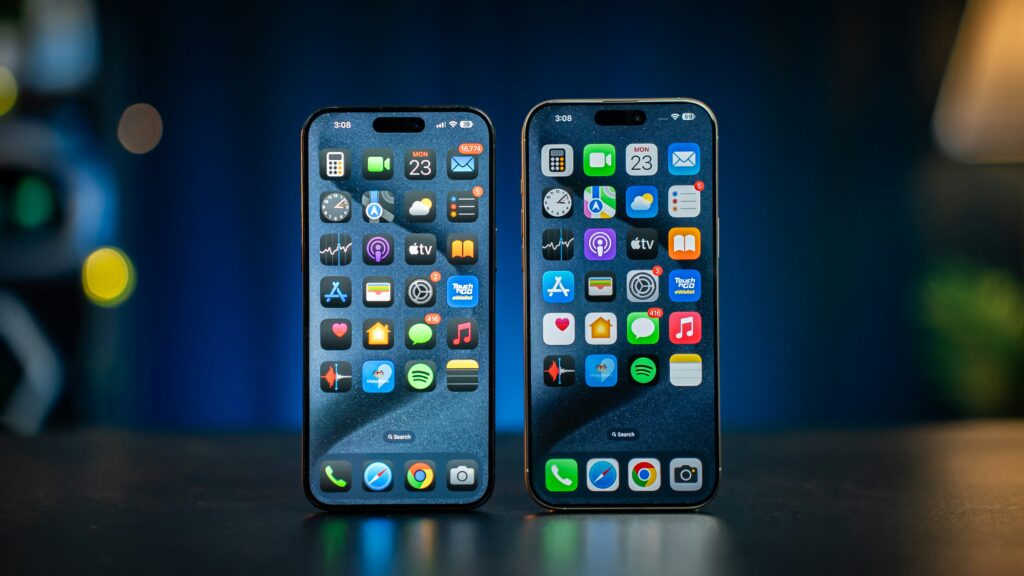
The showdown between Apple’s A18 Bionic and Qualcomm’s Snapdragon 8 Gen 4 isn’t just a numbers game anymore. Both chips are powerhouses built on advanced 3nm nodes, packing more transistors than most laptops from five years ago but they focus on slightly different things. Apple leans into burst performance and tight OS integration; Android chips now stretch for longer sustained speeds and better thermal efficiency. In plain terms: the iPhone 16 Pro can blaze through video edits and AR apps like nothing, while flagship Androids stay cooler and more stable in long gaming sessions.
Battery wise, Apple’s hardware software union still gives it an edge in standby and light use scenarios. But Android has caught up on battery saving tricks, using adaptive refresh, smarter background limits, and AI based app hibernation. Day to day, most users won’t notice a huge gap as long as software optimization is on point.
That brings us to iOS 20 vs Android 15. iOS continues to feel slick thanks to its iron grip over updates and device control. App launches, UI touch responses, and animation flow are clean and consistent. Android 15, especially on the Pixel and top tier Galaxy devices, closes the gap. Improved memory management and better background process handling mean fewer slowdowns, even after days without a reboot.
In side by side speed tests app launching, multitasking between maps, video calls, editing tools it’s neck and neck. The difference isn’t performance anymore. It’s preference: Apple gives you seamless stability; Android gives you flexibility with horsepower. And neither is blinking.
Customization and User Control
In 2026, the iPhone and Android platforms continue to reflect two fundamentally different philosophies: control vs. customization. This section breaks down how each ecosystem gives (or limits) user freedom across core areas.
Ecosystem Philosophy
iPhone: Apple’s tightly integrated ecosystem is sleek, predictable, and highly secure at the cost of user control. Customization is limited by design to preserve consistency across devices.
Android: Known for its openness, Android allows users to personalize almost every aspect of their experience, from UI elements to advanced settings.
Personalization Features
Lock Screens & Widgets
iPhone (iOS 20): Offers improved widget interactivity and more flexible lock screen designs, but changes still remain within Apple’s curated structure.
Android (Android 15): Nearly unlimited lock screen customization, interactive widgets, and third party widget packs give Android a clear edge in freedom.
Launchers & Themes
iPhone: Users are largely confined to Apple’s UI, with limited icon arrangement and home screen flexibility.
Android: Users can install alternative launchers, change icons, alter transition animations, and apply custom themes with system wide effects.
Advanced Control for Power Users
App Permissions & Privacy Controls
Android: Offers fine grained control over app behavior permissions can be allowed once, always, or only when using the app. Android 15 introduces AI powered alerts for background activity.
iPhone: iOS 20 continues to prioritize simplicity. Permissions are more streamlined, though transparency reports and app tracking alerts are industry leading.
File Management & System Access
Android: Deeper file system access, support for third party file managers, and drag and drop between apps make Android better for power users.
iPhone: Still sandboxed, iOS 20 allows only limited file management through the Files app. It has improved in handling formats and cloud storage integration but remains more locked down.
Verdict
If you value customization and granular control, Android remains the platform of choice. However, iPhone delivers a cleaner, more secure experience for users who prefer consistency and polished simplicity over technical flexibility.
Camera Tech: Hardware Meets AI
Let’s get one thing straight megapixels are just a number. In 2026, both iPhone and Android flagships are stacking sensors with 48MP, 64MP, even 200MP, but what really matters is the size of that sensor, how well it handles light, and how true the end result looks. Apple still leans hard into its color science warmer tones, skin aware tuning, cinematic highlights while Android, depending on the brand, can go punchier or more neutral. Low light performance? The edge tends to shift from launch to launch, but larger sensors and smarter noise handling are narrowing the gap.
On the computational side, Apple’s Photonic Engine is impressive, especially for depth and skin rendering. But Google’s AI based tuning, refined through Pixel iterations, still leads when it comes to crisp detail and dynamic range in tough lighting. The rest of Android isn’t far behind, thanks to shared software improvements across manufacturers.
Video is a different story. Apple remains the go to for vloggers and mobile filmmakers, with unmatched stability, natural looking blur in cinematic mode, and pro level editing baked into iOS. Android has caught up with 10 bit video, advanced modes, and solid EIS/OIS systems, but consistency across brands still varies.
End of the day, choosing between iPhone and Android for content creation depends less on megapixels and more on how your footage looks, when and where you shoot, and how much post editing flexibility you want in your pocket.
Everyday Utility and Ecosystem Integration
Seamless Experiences: Apple’s Closed Loop Advantage
Apple continues to dominate when it comes to seamless device integration. The iPhone in 2026 acts as the anchor point for a highly interconnected experience across the Mac, iPad, and Apple Watch. Features like Universal Clipboard, Handoff, and AirDrop function near flawlessly within this closed ecosystem.
Handoff: Start an email on your iPhone, finish it on your Mac
AirDrop: High speed file sharing between Apple devices
Continuity Features: FaceTime calls, Safari tabs, and SMS syncing between devices
This kind of tight ecosystem control provides consistency, minimal setup, and maximum reliability provided you’ve bought into the full Apple lineup.
Android’s Cross Brand Flexibility
Android’s open nature gives it a strong edge in cross brand, cross platform scenarios. While it may lack the perfect polish of Apple’s integrations, Android has made progress in enabling smarter connectivity between different types of devices from Samsung tablets and Windows PCs to Pixel phones and Chromebooks.
Nearby Share: Mirroring AirDrop functionality across Google enabled devices
Fast Pair + Bluetooth switching: Connect wearables and audio devices more effortlessly
Chromebook and Android sync: Share apps, texts, and notifications across devices
The downside? Cross brand integration varies by manufacturer. Samsung’s Galaxy ecosystem is on par with Apple’s, but a budget Android phone may lack the same level of smoothness.
Smart Home Integration: A Mixed Landscape
When it comes to controlling smart homes, both platforms offer compelling tools:
Apple Home (formerly HomeKit): Emphasizes privacy and seamless automation across Apple devices
Google Home / Alexa on Android: Broader device compatibility and more flexible routines
However, Android’s open approach gives users more hardware choices, while Apple relies on strict certification standards leading to fewer but often more secure options.
The Ecosystem Lock In Debate
Choosing between iPhone and Android often goes beyond the phone itself. Once you invest in accessories, smart speakers, smartwatches, or productivity tools tied to one platform, switching becomes costly not only in money, but in convenience.
Key Trade Offs:
Apple offers frictionless quality across devices, but you pay a premium to stay inside the system
Android offers greater flexibility and openness, but at the risk of inconsistency between brands
For more detailed insights on how ecosystems shape mobile usability, check out our full report on mobile tech updates.
Battery, Charging, and Longevity
In 2026, fast charging isn’t a feature it’s an expectation. And both iPhone and Android phones are hitting ambitious benchmarks. The top tier Android flagships now go from zero to over 70% in just 30 minutes using 80W to 120W chargers. Apple, playing its usual long game, finally joined the race with 45W support, taking the latest iPhone to around 60% in that same half hour sweet spot. Not the fastest on paper, but with heat management and battery safety baked in, it’s more of a slow and steady approach.
The real headline this year? USB C everywhere. After years of Lightning cable loyalty, Apple officially went all in on USB C. It’s not just about convenience it’s about standardization across ecosystems, cutting down on e waste, and ending the drawer full of incompatible adapters. Android has been there for years, but now, there’s finally parity.
Battery management has also matured. Both iOS and Android offer advanced battery health tracking, smart charging schedules, and optimization tools that discourage full overnight charges a major cause of long term battery degradation. Whether you’re on a Pixel or an iPhone, the OS now works quietly in the background, learning your usage patterns and adjusting accordingly. The result? Longer battery lifespans without you doing much of anything.
It’s not about pure power anymore. It’s about efficiency, sustainability, and smarter use. And in 2026, both platforms are taking that seriously.
Privacy, Security, and Updates
When it comes to mobile security and user privacy, both iPhone and Android have made significant strides. However, their approaches and the user experience differ in a few critical areas.
Apple: Security by Design
Apple has long held a strong reputation for security, largely due to its tightly controlled ecosystem.
Hardware software integration: iPhones are designed with both the chip and OS in mind, reducing vulnerabilities.
Data encryption: End to end encryption is standard across iMessage, FaceTime, and iCloud keychain.
App Store control: All apps go through a strict review process, minimizing the risk of malware.
Limited sideloading: This restricts third party app installs but helps prevent unauthorized access.
The result? iOS remains a challenging system for attackers to penetrate, making it an appealing choice for privacy conscious users.
Android: Transparent and Evolving
Android has made major improvements in recent years, especially for users with Pixel or Android One devices.
Pixel first updates: Google’s Pixel phones often receive security patches and Android upgrades before other manufacturers.
Permission controls: Android 15 offers improved transparency with per app permissions, background activity tracking, and real time data use indicators.
Google Play Protect: This built in malware scanner now leverages AI to detect threats more proactively.
Open source flexibility: While this allows for customization, it can create inconsistencies in security depending on the device manufacturer.
Android’s approach isn’t one size fits all but at its best, it’s becoming a leader in open yet secure mobile systems.
Software Update Lifecycle: Years That Count
Long term support is where major differences come into play.
iPhone: Most models receive iOS updates for at least 5 6 years. That keeps even older devices secure and usable.
Android: Update policies vary by brand. Google Pixel now promises up to 7 years of updates, but many mid range Android phones still fall behind after 2 3 years.
Before buying a smartphone, it’s worth checking how long it’ll be supported especially when factoring in resale value and future proofing your investment.
Value for Money: What Are You Really Paying For?
Let’s talk dollars and sense. In 2026, the price brackets are tighter but not simpler. The iPhone still carries that luxury markup, especially on the Pro Max end, where base models cross the $1,200 line easily. Android OEMs, meanwhile, split between ultra flagship and aggressively priced performance phones. You’ll see Snapdragon 8 Gen 4 devices landing at $700 with nearly identical benchmark scores if not better in some multitasking tests.
Mid range is where the battle gets interesting. Android phones pack in more: high refresh displays, bigger batteries, even periscope lenses without breaking $500 in many cases. Apple still holds off on features like always on displays or high speed charging for its non Pro iPhones. If you want more per dollar, Android’s your obvious pick. If you want the ecosystem, Apple makes you pay for the seat at the table.
But the math goes beyond the sticker. iPhones hold value better up to 40% resale after two years. Software support runs long typically five updates or more giving them mileage without needing a refresh. Android’s come a long way here, especially with Google and Samsung pushing for 7 year OS commitments. Still, resale varies wildly by brand and model.
The bottom line? Android stretches your cash further in the short term. iPhones cost more up front, but the long tail of updates, repair infrastructure, and resale makes them a smarter long term play for some.
Stay smart with your next upgrade check the latest mobile tech updates.