
Smarter Energy Storage Solutions
Energy storage isn’t just about squeezing more power into smaller boxes it’s about making every watt count. In 2026, solid state batteries are finally crossing the line from lab experiment to commercial product. No more waiting. They’re safer, faster charging, and pushing the limits on energy density. Automakers are replacing lithium ion packs with these solid state contenders in their higher end EV lines, and consumer tech isn’t far behind.
Meanwhile, grid scale storage is quietly getting a sustainable upgrade. Think shipping container sized battery banks made from recycled or second life materials. Old EV batteries are being refitted for stationary use, cutting waste and cost at the same time. These massive systems are key to smoothing out the peaks and valleys of solar and wind power.
Then there’s AI. It’s not just optimizing battery design in the labs it’s also improving performance in real time once these systems are up and running. Algorithms monitor usage patterns, environmental factors, and load demand to balance discharge rates and push lifespan boundaries. The result: fewer replacements, better ROI, and a smoother path to a cleaner grid.
Carbon Capture That Actually Works
Carbon capture was once the stuff of climate tech wishlists now it’s boots on the ground reality. In 2026, direct air carbon capture (DAC) has gone from pilot projects and TED Talks to real world infrastructure. We’re seeing commercial scale DAC units in Iceland, Texas, and parts of Northern Europe, quietly pulling CO₂ straight from the air. These systems aren’t perfect, not by a long shot, but they’re operational and increasingly efficient. Companies are leaning harder on modular systems that can be scaled up without major site overhauls.
Industrial retrofits are also changing the equation. Cement, steel, and chemical plants, some of the dirtiest emissions players, are now retrofitting facilities to capture carbon at the source before it ever hits the open air. Retrofits were expensive and slow five years ago. Now, modular capture units, operator friendly interfaces, and AI assisted monitoring are trimming both costs and downtime.
Cost used to be the deal breaker. But rising carbon prices, cleaner tech ecosystems, and government subsidies are slowly closing the financial gap. Modular DAC tech, local material sourcing, and cheaper renewable electricity are cutting the per ton cost of removal. $600/ton was the norm; some new systems are pushing below $300, with labs shooting for $100 within a few years.
Still, progress isn’t equal across the board. Big players with capital can deploy fast. Smaller firms? Not so much. But the floor has moved, and the ceiling’s coming into view.
Greener Construction, Smarter Cities
Cities aren’t just growing they’re being reengineered. Construction firms are turning to modular designs that don’t just reduce waste they actively remove carbon. Materials like carbon negative concrete and engineered timber lock away CO₂ instead of emitting it. These prefab buildings are faster to assemble, cheaper in the long run, and far easier on the planet.
Once those structures are up, AI steps in. Smart infrastructure now manages energy use from the ground up lighting, HVAC, even traffic flows cutting waste without sacrificing comfort. Buildings adjust themselves in real time, using machine learning to understand patterns and optimize energy draw. It’s not just smart homes, it’s smart blocks, blocks that think in cost savings and carbon offsets.
Meanwhile, rooftops and walls are being reclaimed for food. Vertical gardens and hydroponic systems are taking root literally across urban skylines. These setups grow fresh produce with minimal water and zero food miles. For dense cities chasing both sustainability and food security, urban farming isn’t optional anymore. It’s how cities breathe.
Renewable Energy Gets a Digital Boost
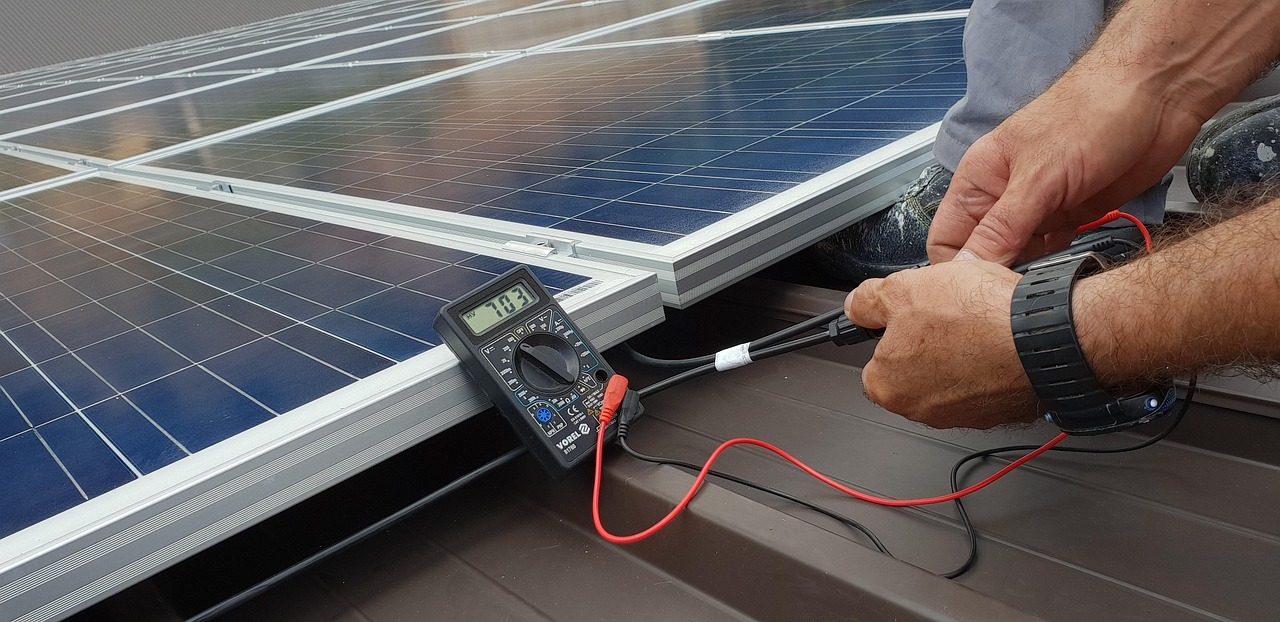
Renewable power isn’t just about wind turbines and solar panels anymore it’s about how smart the system behind them is. Smart grids are doing what the old energy infrastructure never could: adapting in real time. When wind and solar output fluctuate through the day, these grids adjust energy distribution on the fly. Think of them as power systems with reflexes.
Behind the scenes, blockchain is adding a layer of trust and transparency to energy trading. Users can buy, sell, or store energy credits with full traceability no shady data, no middlemen guessing games. It’s especially useful for decentralized providers and prosumers (people who generate their own energy).
Meanwhile, solar panel efficiency keeps climbing. Bifacial panels those that absorb sunlight from both sides are picking up steam. They capture light reflected off surfaces like rooftops or the ground, pushing performance levels higher without increasing panel size. The tech is getting leaner and stronger, making it easier to deploy solar widely, even in tight urban spots.
This combo of digital guts and hardware upgrades is pushing renewables from intermittent sources to reliable energy backbones.
Transportation Reinvented (Again)
Electric vehicles are no longer the future they’re the default. What’s new in 2026 is how fast they recharge and how smart they interact with the grid. Ultra fast charging is trimming downtime into minutes, while vehicle to grid (V2G) tech turns parked EVs into temporary energy sources. It’s a quiet revolution: drivers power their homes during peak demand or push energy back into the grid during blackouts all without lifting a finger.
Public transit isn’t being left behind. Green hydrogen is powering a new class of buses and trains, especially in cities aiming for zero emission goals. These systems are cleaner, quieter, and surprisingly cheap to run once infrastructure’s in place. The shift isn’t cosmetic it changes how cities move and breathe.
Then there’s last mile delivery. Clean fleets think e cargo bikes, electric vans, and autonomous pods are taking over congested urban zones. With major retailers onboard, logistics is transforming fast, shaving emissions without compromising speed. Combine that with expanding digital infrastructure, and you’ve got cities running sharper and greener than ever.
Related read: 5G vs 6G: What’s Next in Mobile Connectivity because mobility transformation only scales with the network to support it.
Waste Less, Design Better
2026 is dialing up the pressure on throwaway culture, and tech is finally responding. Biodegradable electronics once stuck in research labs are now showing up on shelves. Think compostable phone cases with embedded circuits or sensors printed on plant based polymers. These devices won’t last forever and that’s the point. They’re built for short term use cases, then vanish without a trace.
At the design level, we’re seeing a hard pivot toward circularity. That means products engineered from day one for disassembly, upgrade, and reuse. It’s not just about recycling parts; it’s about keeping materials in play longer. Tech brands are being nudged by regulation and consumer demand to think beyond version 2.0 and consider what happens at end of life. Tear it down, salvage what works, and repeat.
Meanwhile, precision agriculture is helping cut waste before it even happens. Smart sensors monitor soil health, pinpoint irrigation, and track nutrient data across fields. The result? Less water wasted, fewer chemicals dumped, and more targeted harvests. In a warming world, that efficiency is survival.
In short: this isn’t flashy greenwashing. It’s hardware and practices built to last or biodegrade on cue. The best tech is learning how to take itself apart.
The Big Picture
Green tech isn’t the underground scene it used to be. It’s moved past pilot programs and feel good PR into something more serious: infrastructure. From city grids to shipping routes, core systems are being re engineered around sustainability not just patched up for optics. If it powers, builds, moves, or stores, it’s going green by necessity.
The reason? Integration. Renewable energy doesn’t scale unless storage, transport, and data systems align. Carbon capture doesn’t matter if industry isn’t on board. That’s why the biggest wins are happening where sectors intersect energy companies teaming with AI firms, or urban planners collaborating with agritech startups. It’s not about flashy one offs anymore. It’s about networks.
Come 2026, watch for a hard pivot from “experiment” to “execution.” The technologies are no longer the question. Now it’s about implementation at speed, at scale. We’re not waiting for the green future. It’s already getting wired in.