Core Differences in 2026
Both iOS 20 and Android 15 have hit a stride in 2026, smoothing out their interfaces and tightening up privacy controls. Day to day use feels cleaner, faster, and more customized regardless of platform. But the vibe and philosophy behind each system still split the crowd.
Apple’s iOS 20 is more refined than ever. Transitions feel liquid. Animations don’t waste time. Privacy settings are front and center, with more local processing and less data leaving your device. If you’re deep in the Apple ecosystem iPhone, MacBook, iPad, Watch the seamless handoff between devices is tough to beat. Everything just works, as long as you stay inside their walls.
Android 15, on the other hand, leans into flexibility. Want to tweak your UI down to the granular level? Done. Need a phone that folds, flips, or costs less than your lunch budget? Covered. Android’s big win is device diversity from budget to flagship and a strong push into user control and open software options.
In short: Apple’s playing the cohesion game, Android the freedom game. And in 2026, both are winning depending on what kind of user you are.
Design & Hardware Showdown
When it comes to design and hardware in 2026, both iPhone and Android flagships have raised the bar. Whether you’re drawn to Apple’s minimalist elegance or Android’s experimental flair, there’s a lot to unpack.
iPhone 18: Minimalism Meets Power
Apple’s latest iteration, the iPhone 18, pushes the boundaries of sleek industrial design:
Titanium build: Lighter, stronger, and more premium than ever before
Adaptive refresh display: Smooth visual transitions, adjusting from 1Hz to 120Hz depending on content
No ports: A fully wireless experience charging, syncing, and even diagnostics have gone cable free
This portless trend reinforces Apple’s commitment to a clean user experience, but it may not work for users who rely on legacy accessories.
Android Flagships: Foldables and Functionality
Android manufacturers have embraced design innovation, and that’s most visible in the hardware:
Foldables are now standard: With major flagship models sporting folding or rollable screens, multitasking and form factor versatility are key attractions
Faster charging tech: Some Android devices can now fully charge in under 10 minutes
Expandable storage: Still a fan favorite feature for power users and content creators, which iPhone continues to leave out
The result is a lineup of Android phones that feel highly personalized and performance forward.
Chipset Showdown: A20 vs. Snapdragon X
At the core of it all are the processors driving performance, AI, and battery life:
Apple A20 chip: Customized for iOS 20, delivering ultra efficient computing, particularly strong in AI acceleration and low power tasks
Qualcomm Snapdragon X: Powering premium Android phones with raw multi core performance, gaming grade graphics, and better on device AI support across devices
Both chips are more than capable, but their synergy with software may be the deciding factor: Apple’s hardware software integration vs. Android’s versatility with third party hardware.
In the battle of design and performance, your choice depends on what matters more Apple’s unified vision or Android’s hardware diversity and rapid innovation.
Battery & Charging Tech
Battery life and charging speed are two of the biggest battlegrounds in 2026 and both Apple and Android are going hard at it, just in different ways.
Apple’s edge comes from the inside. The new power saving AI in iOS 20 learns how you use your phone and quietly shuts down background activity that doesn’t serve you in the moment. It’s not flashy, but the result is real: up to 30% longer battery life on the iPhone 18. Users are getting through more of their day without hunting for a charger.
Android, on the other hand, is racing ahead in raw charge speed. Flagship phones from brands like OnePlus and Xiaomi are hitting full battery from zero in just under 10 minutes. If you’re the kind of person who waits until 3% to plug in, Android’s got you covered.
Wireless charging has also finally caught up with the hype. New pads adapt power flow based on device type, position, and battery health. More devices can now share the same pad without overheating or wasting energy. No more charging roulette when you drop your phone at an angle.
So whether you’re in it for endurance or the sprint, 2026 has options. Apple gives you more hours. Android gives you more minutes. Either way, charging stress is becoming a thing of the past.
Camera & Content Creation
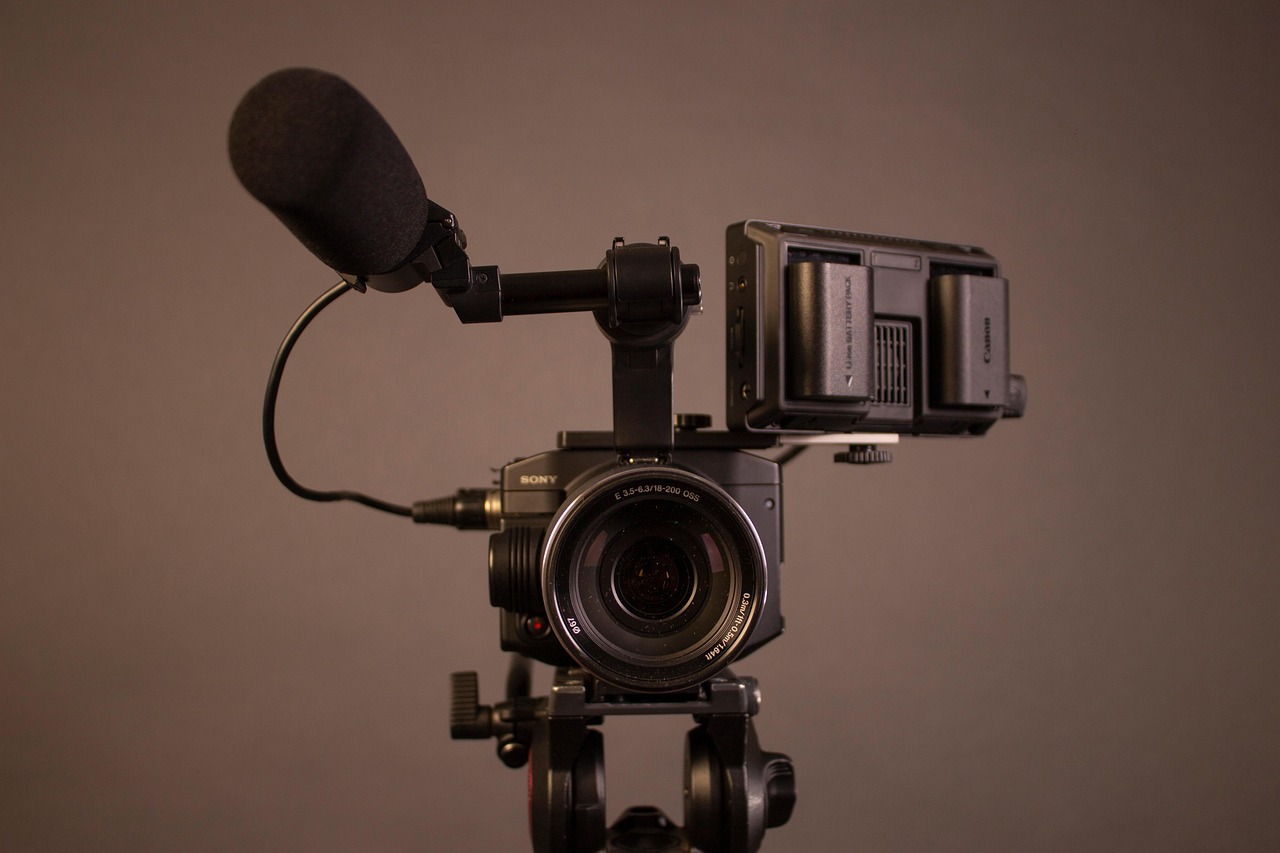
When it comes to mobile vlogging and content capture, the iPhone still sets the pace with a heavy lean on video stabilization and its Cinematic mode. Apple has tuned this feature into a near professional look without the collapse of usability. Whether you’re filming a quick day in the life or a two camera walkthrough, the footage stays smooth, sharp, and polished, even with hand held shots.
Android phones continue to push ahead in other areas like raw megapixel muscle and pro level manual controls. If resolution, sensor size, and tuning ISO on the fly matter more to you than algorithmic depth of field, high end Android flagships give you options. Samsung, Google, and others are catering to mobile shooters who want DSLR like flexibility in their pockets.
Still, vloggers serious about quality should think beyond phones. Creator centric cameras like Sony’s ZV E lineup or Canon’s latest mirrorless compacts bridge the gap between gearhead customization and daily usability. They’re purpose built for mobile creators who need strong audio, precise focus, and long form flexibility.
Phones are powerful, but tools built for creators tend to free you up more. If vlogging is more than a side hustle, invest accordingly.
(Helpful related guide: Top 5 Smartwatches for Productivity and Fitness)
App Ecosystem & Integration
When it comes to apps in 2026, Apple still plays it safe and sharp. iPhone exclusive apps remain polished, highly secure, and built with business and professional users in mind. You’re not getting rogue software that crashes your phone or drains the battery by noon. App developers know there’s a high bar for Apple’s App Store, and it shows up in the design and reliability of the tools you get.
Android, on the other hand, remains the experimental playground. The Play Store is still looser with its rules, which means more variety, quicker innovation, and yes, more risk. If you’re the kind of user who likes tinkering with beta apps, automation tools, or indie built platforms, Android keeps delivering.
Now for device sync. Apple’s full stack control pays off here with the iPhone, Apple Watch, iPad, and MacBook talking to each other better than ever. Handoff, Universal Clipboard, and Sidecar just work. It’s smooth and mostly invisible.
Android’s not far behind, especially with Google’s Pixel lineup and Samsung’s connected gear pulling tighter together. But with so many manufacturers in the Android space, consistency still varies. If perfect sync matters to you, Apple stays ahead. If you’re okay with the occasional hiccup for the sake of customization, Android holds its ground.
Privacy, Security & Updates
Security and privacy features have become major differentiators between platforms, and in 2026, the race is tighter but not even.
iPhone: Locked Down and Smarter Than Ever
Apple continues to lead the field with industry leading privacy controls:
On device AI processing: Most of your data stays on the iPhone, enhancing privacy while enabling smart features.
End to end encryption: From iMessages to FaceTime and now even more third party apps, your data remains locked and secure.
Automatic app permission tracking: iOS 20 introduces real time permission alerts, helping users stay aware of where their info goes.
Android: Closing the Gap
Android 15 has made significant improvements in individual device level security and personalization:
Device specific security patches: Brands like Google, Samsung, and OnePlus now push rapid updates independent of Android’s core release cycle.
Improved sandboxing: Apps operate with tighter access control, reducing exploits and data leakage.
Encryption across devices: More hardware level support for secure file storage and communication.
AI Driven Personalization Across Both Platforms
While Apple and Android approach AI differently, both are using it to make your device safer and more intuitive:
Smart app suggestions based on local behavior and context
Privacy aware customization: AI learns how you interact with your device without sharing your data externally
Real time threat detection: AI flags suspicious activity faster than ever, just when you need it most
In 2026, both Apple and Android understand that privacy isn’t a luxury it’s a standard. They’re each evolving their ecosystems not only to keep your data secure but to make tech feel more personal, proactive, and protective.
Which Should You Go For?
If privacy, seamless integration, and support that stretches for years matter most to you, go iPhone. Apple’s ecosystem in 2026 is even tighter and cleaner everything from your MacBook to your smart home flows together with less friction. The company’s stance on privacy remains firm, with local AI handling more tasks on device, keeping your data private by default. Plus, iPhones now regularly receive major software updates for five to six years, which means smoother performance over time and less upgrade pressure.
On the other hand, Android is the go to if you prioritize hardware choice, customization, and raw value. Foldables, massive batteries, headphone jacks (yes, still a thing), and faster charging give you more ways to mold your phone to how you actually use it. Whether you spend $400 or $1,400, there’s a powerful Android option. It’s freedom at nearly every level, from widgets to home screen layout to deep developer tools for tinkerers.
Bottom line: If you’re deep in Apple’s ecosystem already, or you want a device that “just works” out of the box, get the iPhone. But if you’re after flexibility, standout hardware, or you want more for your dollar, grab an Android. No wrong move just different strengths.
Final Call
By 2026, phone wars aren’t about raw specs. Both iPhone and Android deliver blazing processors, top tier cameras, sleek designs, and smarter AI integration. The major difference now? It boils down to fit. Your personal ecosystem how you use your phone with your watch, laptop, cloud, and even home devices matters more than whether an app launches 0.2 seconds faster.
If your day runs on FaceTime, Notes, and a MacBook, iPhone still feels seamless. But if you want modularity, hardware choices, or more bang for your buck, Android’s offering serious alternatives in every price range.
So which one’s better? The one that fits your life. Specs are tight across the board. Choosing well means understanding your own priorities not chasing numbers.
 Ask Sarah Morenolanser how they got into software development insights and you'll probably get a longer answer than you expected. The short version: Sarah started doing it, got genuinely hooked, and at some point realized they had accumulated enough hard-won knowledge that it would be a waste not to share it. So they started writing.
What makes Sarah worth reading is that they skips the obvious stuff. Nobody needs another surface-level take on Software Development Insights, Tech Tips and Tutorials, Latest Technology Trends. What readers actually want is the nuance — the part that only becomes clear after you've made a few mistakes and figured out why. That's the territory Sarah operates in. The writing is direct, occasionally blunt, and always built around what's actually true rather than what sounds good in an article. They has little patience for filler, which means they's pieces tend to be denser with real information than the average post on the same subject.
Sarah doesn't write to impress anyone. They writes because they has things to say that they genuinely thinks people should hear. That motivation — basic as it sounds — produces something noticeably different from content written for clicks or word count. Readers pick up on it. The comments on Sarah's work tend to reflect that.
Ask Sarah Morenolanser how they got into software development insights and you'll probably get a longer answer than you expected. The short version: Sarah started doing it, got genuinely hooked, and at some point realized they had accumulated enough hard-won knowledge that it would be a waste not to share it. So they started writing.
What makes Sarah worth reading is that they skips the obvious stuff. Nobody needs another surface-level take on Software Development Insights, Tech Tips and Tutorials, Latest Technology Trends. What readers actually want is the nuance — the part that only becomes clear after you've made a few mistakes and figured out why. That's the territory Sarah operates in. The writing is direct, occasionally blunt, and always built around what's actually true rather than what sounds good in an article. They has little patience for filler, which means they's pieces tend to be denser with real information than the average post on the same subject.
Sarah doesn't write to impress anyone. They writes because they has things to say that they genuinely thinks people should hear. That motivation — basic as it sounds — produces something noticeably different from content written for clicks or word count. Readers pick up on it. The comments on Sarah's work tend to reflect that.